Holiday Marketing for Your Local Business: Making the Most of the 2026 Summer Tourist Season
• Tuesday, 30th June 2026 • Marketing lokalny •
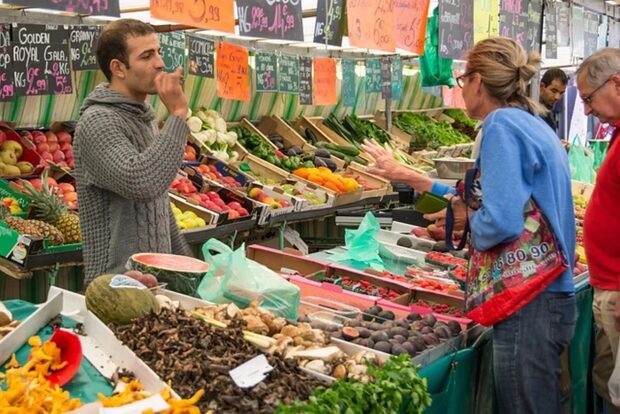
Summer is harvest time for more than just farmers
For many local businesses the summer holidays are the hottest period of the year — literally and figuratively. Increased tourist traffic, longer days, and people in a mood to spend money and open to new experiences create conditions found in no other season. Yet surprisingly many small businesses let this opportunity pass, operating in summer just as they do the rest of the year, or even slowing down because the owner wants a rest too. That is a mistake that costs real money.
Holiday marketing does not require a big budget or an agency. Above all it requires a plan, consistency and use of the tools you have to hand. In this guide we show how a local business — a farm, a smokehouse, gardening services, a caterer or a workshop — can make use of the summer 2026 tourist season to win customers it will keep long after the holidays.
Start by understanding the summer customer
In summer it is not only the number of customers that changes, but also their character. Tourists appear — people from outside the area who do not know local brands, look for information on their phones and make decisions quickly, often while already on the move. Alongside them are residents in a relaxed holiday mood, more willing to try something new, organise a party or buy a local product as a gift.
These two groups need a slightly different approach, but one thing links them: they make decisions mainly via phone and online. That is why the foundation of holiday marketing is visibility where people search — in search engines, on maps and on social media. If a tourist types a service into their phone and your business is not there, you simply do not exist for them.
Google Business Profile — the most important tool of the summer
If you were to do just one thing, let it be polishing your Google Business Profile listing. It decides whether you appear when someone searches for a service in your area or types a phrase such as service near me. For a tourist, the map on their phone is the first and often the only source for a decision.
Make sure your profile is complete: current opening hours (including holiday changes), an exact address, phone number, fresh photos and a description of your services. Add posts about seasonal offers, answer questions and, most importantly, collect reviews. Positive, numerous and recent reviews are a trust signal for a tourist more important than any advert. After every successful transaction it is worth asking the customer for a review — it costs nothing and builds an advantage.

Seasonal content that attracts
Summer offers plenty of natural opportunities to create content. Instead of publishing general posts, show your business in a summer context: fresh seasonal produce, preparations for an outdoor party, behind the scenes of work on a hot day, local events you take part in. People love authenticity and stories, not dry selling.
Guide-style content is a good idea, linking your offer with holiday needs: how to organise a garden party, what to bring back from the region as a souvenir, how to store local products. Such content not only sells but also positions you as an expert and attracts search traffic long after the season.
Video and short formats rule in summer
The fastest-growing format is short videos — reels and shorts. In summer you have ideal conditions for filming them: good light, colours, movement, emotion. You do not need professional equipment; a phone and a few simple shots are enough. Show the process, the product in action, a happy customer, a short tip. An authentic, raw recording often works better than a polished advert.
The key is regularity and a short, engaging form. One good clip a week, published consistently throughout the summer, can build a reach a small business never dreamed of before. Algorithms promote fresh, engaging video content, and tourists happily save and share what catches their eye.
Local collaboration multiplies the effects
In summer it especially pays to join forces with other local businesses. A guesthouse can recommend your catering, an agritourism farm can sell your cured meats or honey, and a neighbouring service business can exchange recommendations. A tourist who has found one local business is an ideal customer for the others.
Such partnerships cost nothing and build a referral network that also works outside the season. Joint packages, cross discounts or simply recommending each other are among the cheapest and most effective ways of winning new customers in an area full of visitors.
Collect contacts, don’t just sell
The biggest mistake in holiday marketing is thinking only about one-off sales. A tourist who bought your product today may return next year or order a delivery in winter — but only if you can get in touch with them. That is why in summer it is worth actively collecting contacts: newsletter sign-ups, social media follows, profile likes.
A simple sign-up form, a QR code at the till, an incentive in the form of a discount or a recipe — these are tools that turn a fleeting summer contact into a lasting relationship. A customer base built in summer bears fruit through the rest of the year, when tourist traffic fades and you still have someone to send your offer to.
Plan ahead so you don’t improvise in summer
The season is the worst time to invent your marketing from scratch, because there is no time. That is why it is worth preparing content, offers and posts in advance and scheduling them in a simple calendar. A few hours of work before the season — preparing photos, writing posts, settling offers — lets you operate smoothly in summer despite the rush of day-to-day work.
Scheduling tools that automatically publish posts at set times are helpful. They let marketing run on its own, even when you are serving customers or grabbing a moment of rest. Consistency beats intensity — it is better to publish something simple regularly than something big once a month.
Measure what works
Even the simplest marketing is worth measuring. Pay attention to where customers come from, which posts generate the most reactions, and which enquiries appear most often. Most free tools — business profile statistics, social media insights — provide enough data to know what to repeat and what to avoid.
In summer, when traffic is high, you will quickly see patterns. Use them: if a particular type of content or offer attracts, do more of it. Marketing based on observing real reactions is more effective than guessing and imitating the competition.
Summary
For a local business the tourist season is a window of opportunity that opens once a year and closes quickly. To make use of it, take care of your visibility on Google and maps, create authentic seasonal content and short videos, join forces with other local businesses and — most importantly — collect contacts that will pay off throughout the year. Holiday marketing is not a matter of budget but of plan and consistency. A business that gets noticed in summer wins customers who keep coming back long after the tourists have packed their suitcases.
Paid advertising with sense — when it is worth it
Organic marketing is cheaper, but in summer, when competition for a tourist’s attention is greatest, a small paid advertising budget can significantly speed up results. It is not about spending thousands of zlotys, but about smart, precise campaigns. Local advertising on social media, aimed at people within a certain radius of your business or at tourists visiting the region, lets you reach exactly those who might buy from you.
Search advertising on specific local phrases works in a similar way. When someone searches for a service in your area, a paid placement at the top of the results can decide the choice. The key is to start with small amounts, test different messages and images, and increase the budget only where the advert genuinely brings enquiries and sales. Money spent without measuring the effect is money thrown away.
The most common holiday marketing mistakes
The first and most serious mistake is silence during the season — no posts, outdated opening hours, an outdated offer. A tourist who lands on a dead profile goes to a competitor. The second mistake is focusing solely on sales, without building relationships and collecting contacts, so that all the effort ends along with the summer.
The third mistake is a lack of visual and communication consistency — different styles, logos and tones of voice make a business look random and less credible. The fourth is ignoring reviews, both the positive ones we fail to collect and the negative ones we do not respond to. In the season, when decisions are made in a flash, every unanswered review is a potentially lost customer.
After the season — how to keep the effect
A wise marketer thinks about September as early as July. Contacts gathered in summer, reviews, reach and relationships are capital that should work through the whole of autumn and winter. After the season it is worth sending the collected database a thank-you, a special offer or information about the option of ordering products by post. A customer who fondly remembers a summer visit will gladly return if you remind them of yourself.
It is also the moment to analyse the whole season: what attracted the most customers, which content worked, where the bottlenecks were. Conclusions written down while fresh, when memory is vivid, become the foundation of an even better plan for the next summer. Local marketing is a marathon, not a sprint — and the tourist season is its most important, but not its only, stage.
Frequently asked questions
Where should I start if I have little time? With your Google Business Profile listing. Current opening hours, photos, a description and collecting reviews give the greatest effect for the least effort. It is the absolute basis of visibility for tourists searching for services on their phones.
Does a small business need paid ads in summer? Not necessarily, but a small budget aimed precisely at people in the area can quickly speed up results. Start with small amounts, measure the results and increase spending only where the advert genuinely brings enquiries.
How often should I post on social media during the season? Regularity is better than intensity. One or two well-thought-out posts and a short clip a week, published consistently throughout the summer, work better than a burst once a month.
What matters more in summer — sales or building relationships? Both, but do not forget to collect contacts. Sales bring revenue today, while a customer base built in summer works towards revenue throughout the rest of the year.
The holidays pass quickly, but well-planned marketing stays with a business for longer. Make use of the season in which customers come to you of their own accord to build visibility and relationships that will pay off over the coming months, and you will start every following summer from a stronger position than the last.